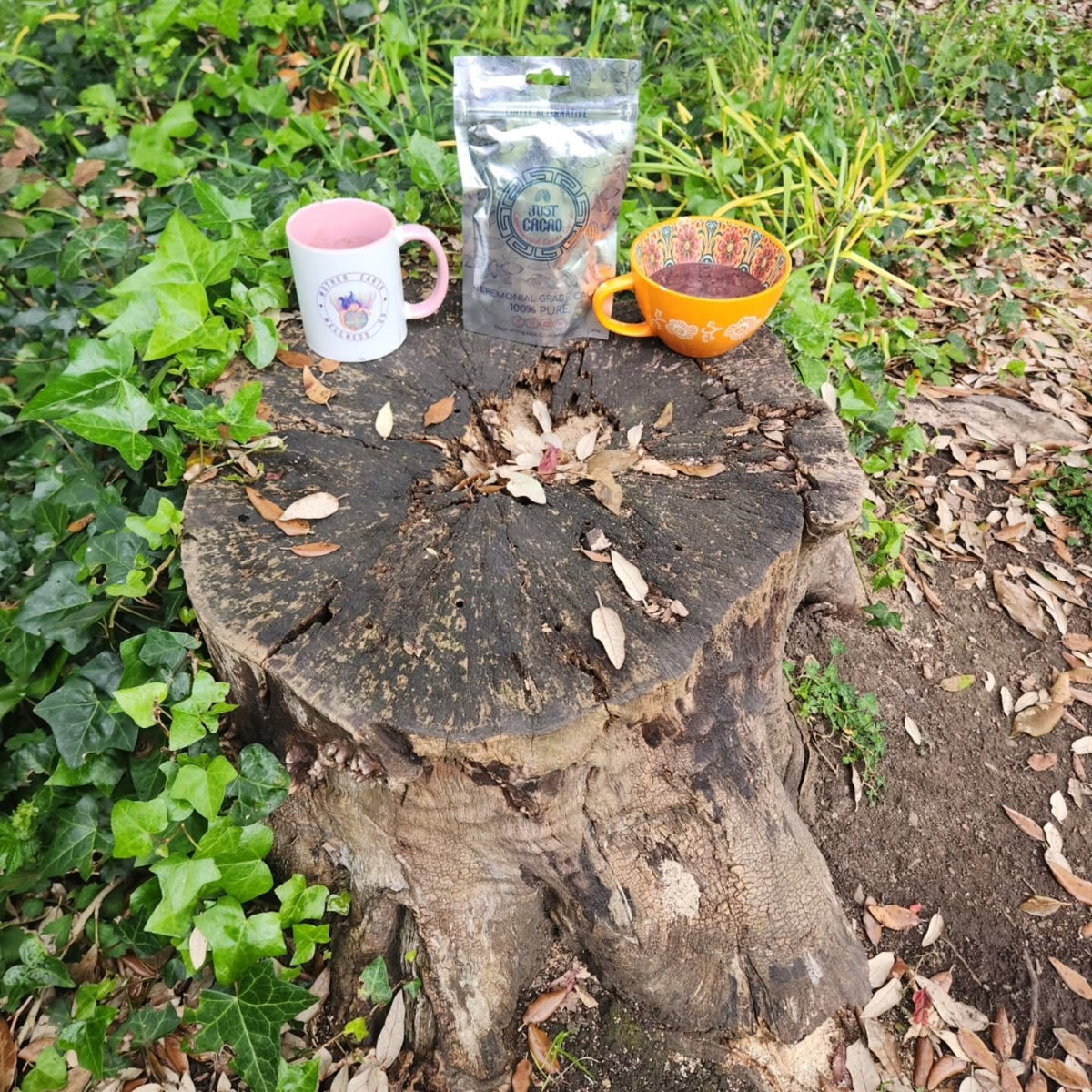
Benefits of Ceremonial Cacao
Why Ceremonial Cacao Is More Than Just Chocolate
When most people think of cacao, they think of chocolate — a treat, an indulgence, something to enjoy in moderation. But ceremonial grade cacao is a different thing entirely. It's whole, minimally processed, and packed with compounds that have been used for thousands of years to support physical health, emotional wellbeing, and spiritual practice.
Here's what the science — and tradition — actually says about the benefits of ceremonial cacao.
1. Exceptionally Rich in Magnesium
Raw cacao is one of the highest plant-based sources of magnesium on the planet. Magnesium is involved in over 300 enzymatic reactions in the body — it supports muscle function, nervous system regulation, sleep quality, and energy production. Many people in Ireland are chronically low in magnesium, and a daily cup of ceremonial cacao is a genuinely pleasurable way to top up.
A 40g serving of ceremonial cacao provides roughly 100–120mg of magnesium — around 25–30% of your daily recommended intake.
2. Theobromine: Gentle, Sustained Energy
Cacao's primary stimulant is theobromine, not caffeine. Theobromine is a vasodilator — it gently widens blood vessels, increasing blood flow to the brain and heart. The effect is a warm, sustained lift in energy and alertness, without the adrenal spike or crash associated with coffee.
This makes ceremonial cacao an excellent coffee alternative, particularly for those who are caffeine-sensitive, experience anxiety with coffee, or simply want a gentler start to the day. Many of our customers have replaced their morning coffee entirely with a daily cacao practice.
3. Anandamide — The Bliss Molecule
Cacao contains anandamide, a naturally occurring endocannabinoid sometimes called the “bliss molecule.” Anandamide binds to the same receptors as THC (without any psychoactive effect) and is associated with feelings of joy, openness, and wellbeing. Cacao also contains enzyme inhibitors that slow the breakdown of anandamide in the body, prolonging its effect.
This is part of why a ceremonial cup of cacao can feel genuinely mood-lifting — it's not placebo. It's biochemistry.
4. PEA — The Love Chemical
Phenylethylamine (PEA) is another compound found in cacao, associated with feelings of excitement, attraction, and connection. It's sometimes called the “love chemical” — the same compound released when we fall in love. In the context of ceremony, this contributes to cacao's reputation as a heart-opening plant medicine.
5. Powerful Antioxidants
Raw cacao has one of the highest ORAC scores (a measure of antioxidant capacity) of any food — significantly higher than blueberries, green tea, or red wine. The primary antioxidants in cacao are flavanols, which have been shown in research to support cardiovascular health, reduce inflammation, and protect cells from oxidative stress.
Importantly, these antioxidants are largely destroyed by the high-heat processing used to make commercial cocoa powder and chocolate. This is why ceremonial grade — minimally processed, never roasted at high temperatures — retains so much more nutritional value.
6. Cardiovascular Support
The combination of theobromine (vasodilation), flavanols (anti-inflammatory, antioxidant), and magnesium (heart muscle function) makes ceremonial cacao genuinely supportive of heart health. Multiple studies have linked regular consumption of high-flavanol cacao to reduced blood pressure, improved circulation, and lower LDL cholesterol oxidation.
The Mayan tradition of calling cacao a “heart medicine” turns out to have a literal, physiological basis.
7. Iron, Zinc & Chromium
Beyond magnesium, ceremonial cacao is a meaningful source of iron (important for energy and immune function), zinc (immune health, skin, and hormone balance), and chromium (blood sugar regulation). For plant-based eaters in particular, cacao can be a valuable addition to the diet.
8. Mood, Focus & Emotional Wellbeing
Cacao supports serotonin production and contains tryptophan, a precursor to serotonin — the neurotransmitter most associated with mood stability and wellbeing. Combined with anandamide, PEA, and the grounding effect of magnesium, a daily cacao practice can have a meaningful positive impact on mood, emotional resilience, and mental clarity.
Many people who use cacao regularly report feeling more present, more emotionally open, and more creatively engaged. This is why it's become such a popular tool for journalling, meditation, and creative work.
9. A Ritual That Supports Mental Health
Beyond the biochemistry, there's the ritual itself. The act of preparing something slowly and intentionally — chopping the cacao, warming the milk, blending, sitting down with your cup — is a form of mindfulness practice. In a world of rushed mornings and constant stimulation, a cacao ritual creates a moment of genuine pause.
The benefits of that pause — reduced cortisol, improved focus, a sense of groundedness — compound over time.
Why Ceremonial Grade Matters
Not all cacao is equal. Commercial cocoa powder is heavily processed, often Dutch-processed (alkalized), and stripped of most of its beneficial compounds. Ceremonial grade cacao is made from whole cacao beans, minimally processed, and retains its full nutritional and energetic profile.
At Mother Earth, all of our cacao is sourced from single-origin farms and is 100% pure — no additives, no sugar, no fillers. Our Ceremonial Cacao range includes origins from Ecuador, Venezuela, Guatemala, Peru, and India, each with its own flavour profile and character.
How to Get Started
If you're new to ceremonial cacao, our Mother Earth Ecuador Cacao is a gentle, approachable starting point — smooth, floral, and easy to love. Our Amma Ceremonial Cacao Bundle is perfect if you'd like to explore multiple origins. And if you'd like to try before committing to a full block, our 50g Venezuelan Sample Pack is a lovely introduction.
For guidance on how to prepare it, see our step-by-step preparation guide.
Note: Ceremonial cacao at full ceremonial doses (35–42g) is not recommended for those on SSRIs, those with serious heart conditions, or during pregnancy. If in doubt, consult your GP and start with a smaller amount.