Shared Therapy Rooms: A Small Retail Shelf Checklist
If your practice shares a building with massage therapists, counsellors, yoga teachers or other practitioners, you may already have a little reception area. And at some point somebody will say, “Wouldn't it be nice to have a few things for sale here?”
It can work, but I'd sort out the practical details before ordering a single box. This is a short checklist for the person running the space, not advice to sell something to everybody who walks through the door.
1. Who actually owns the stock?
Is it yours, the building owner's, or another practitioner's? Decide who orders, pays, checks deliveries and deals with damaged or returned products. In a shared room, that isn't always obvious.
2. Where will it sit?
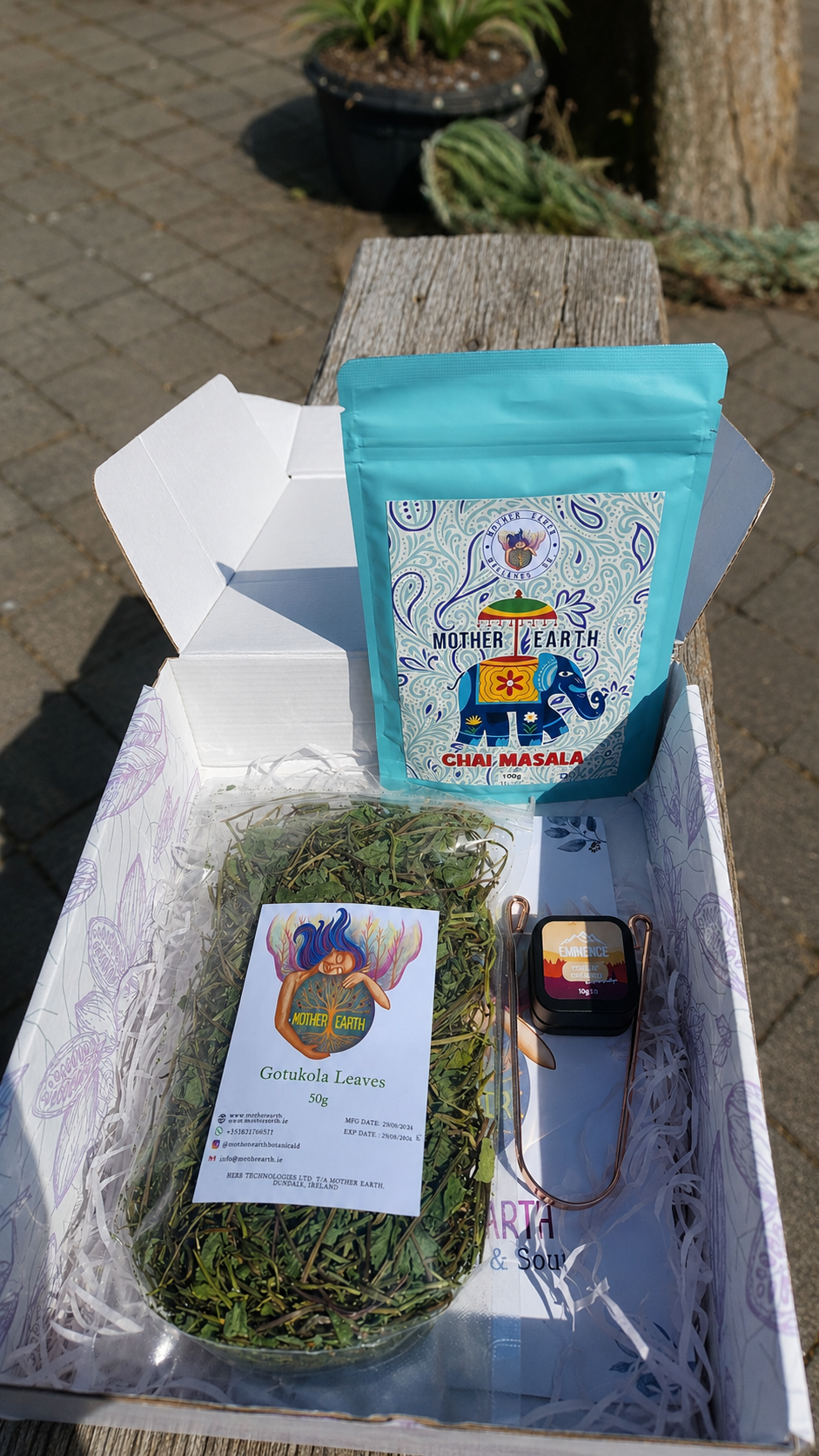
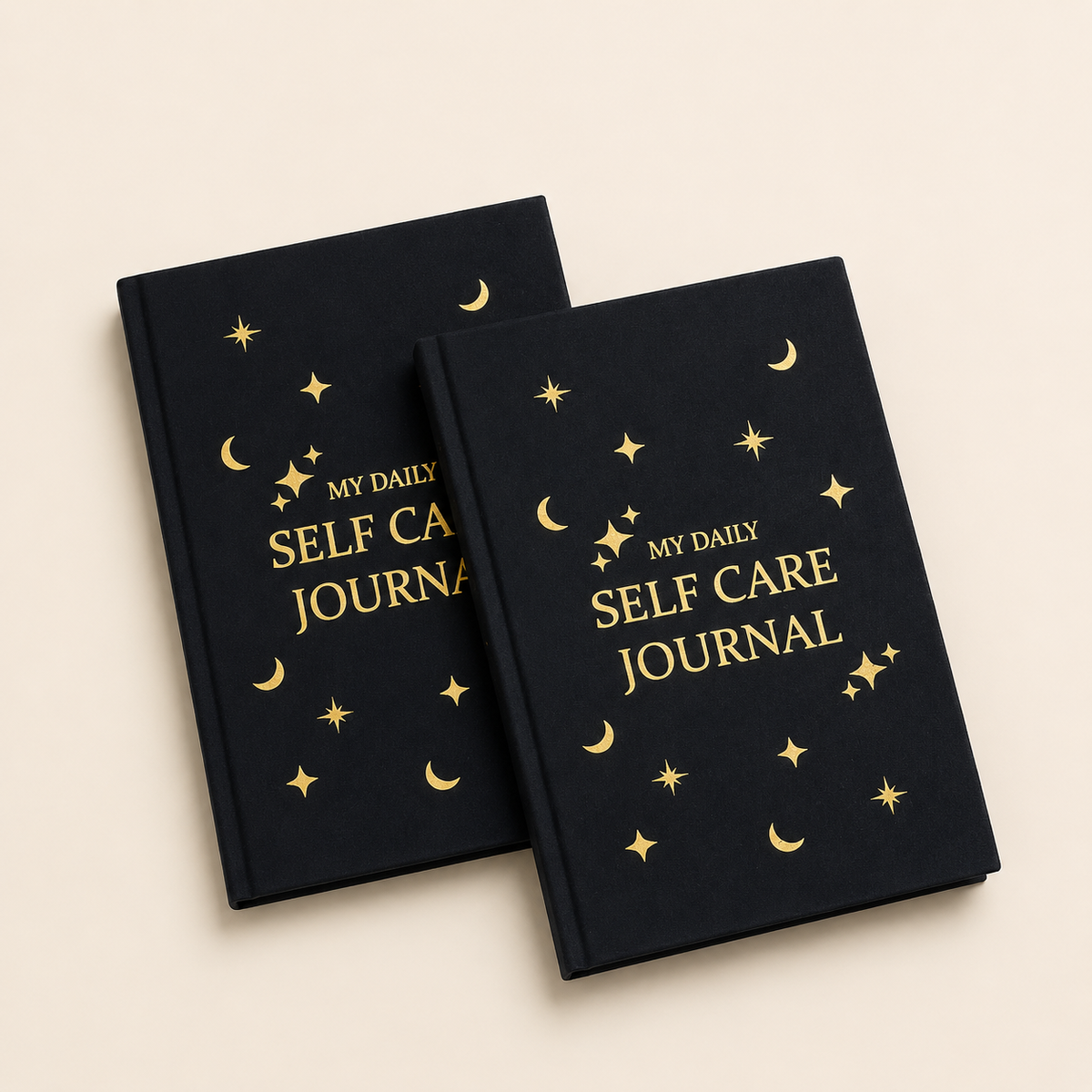
A handful of journals, mugs or properly labelled tea may be enough. Products should have visible prices and information, without cluttering a private or clinical space. Don't leave food, supplements or personal care products somewhere they might be mistaken for supplies used during a treatment.
3. How will customers pay?
If people can buy at reception, who records the sale and takes the payment? You don't want an argument at month-end about a shared card terminal or missing cash. Set up one clear process before you display anything.
4. Who checks dates and labels?
Food and supplements need their own storage, ingredients, cautions and date information. Our gummy guide explains the difference between the current November 2026 mushroom batch and April 2026 ACV clearance. Those shouldn't quietly drift into a December gift display without the dates being clear.
Blue and White Lotus are different again: they're non-food botanicals sold for personal or ritual use, not for making tea.
5. Is anybody expected to recommend products to clients?
A counsellor, psychotherapist, coach or treatment practitioner should check their professional code and any conflicts of interest before mixing retail into client work. An item on a shelf isn't part of a treatment just because the therapist stocks it. Nobody should feel they have to buy something to receive a service.
Our separate article, Counsellors, Psychotherapists and Wellness Products: Keeping Boundaries Clear, goes into the professional side in more detail.
6. What if it doesn't sell?
Agree what happens to slow stock, who's responsible for markdowns and whether anything can be moved to another location. Check your insurance and the business arrangements too. A tiny shelf shouldn't become a new source of work or expense for everybody.
7. Would the space be better without retail?
That's a perfectly valid answer. You can still use our free product and practitioner guides, explore the wider Mother Earth network, or order something for yourself without becoming a stockist.
If a small range does suit your room, the Treatment Spaces page explains how to enquire. Tell me who's using the space, the budget and the kind of products people have actually asked about, and we'll start there.