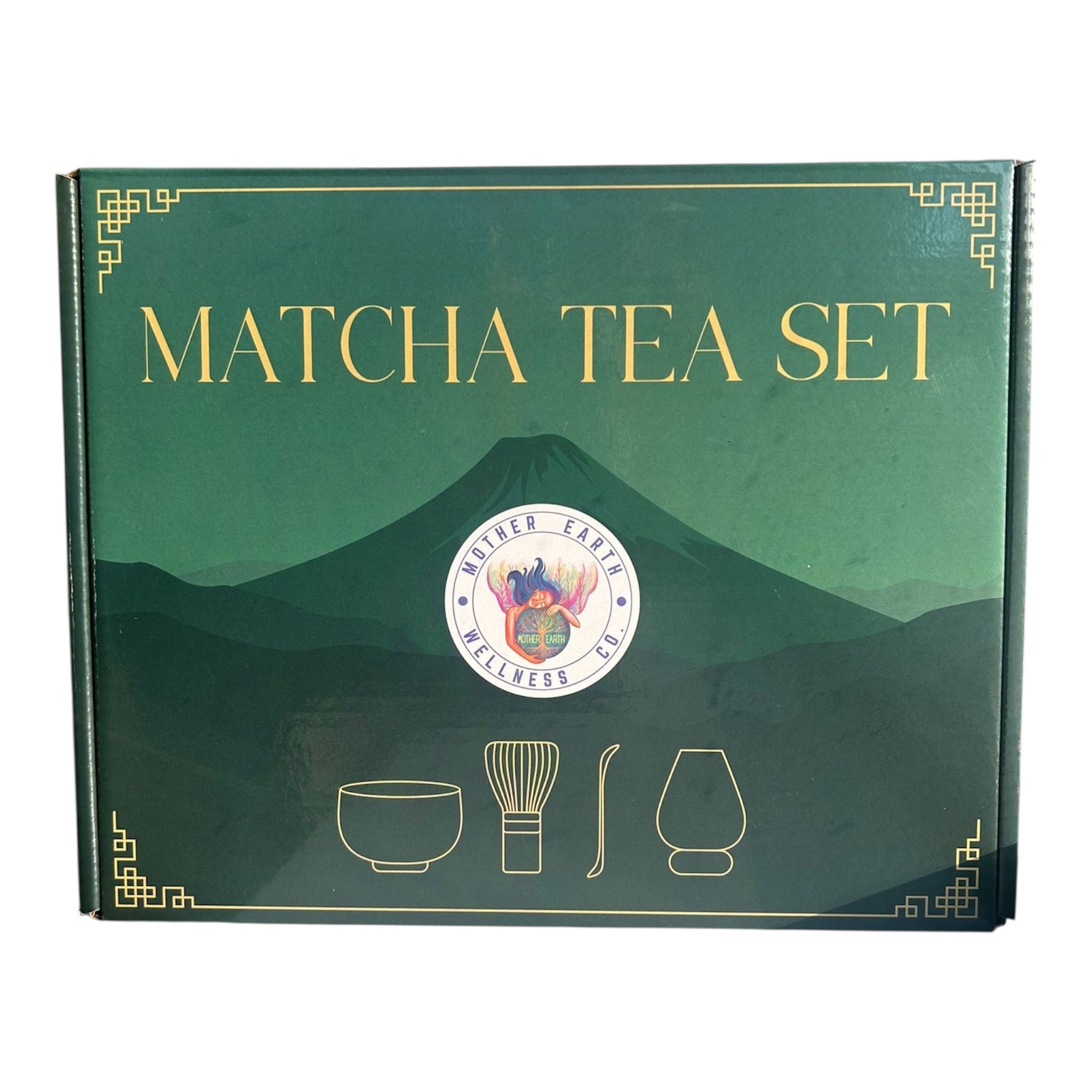
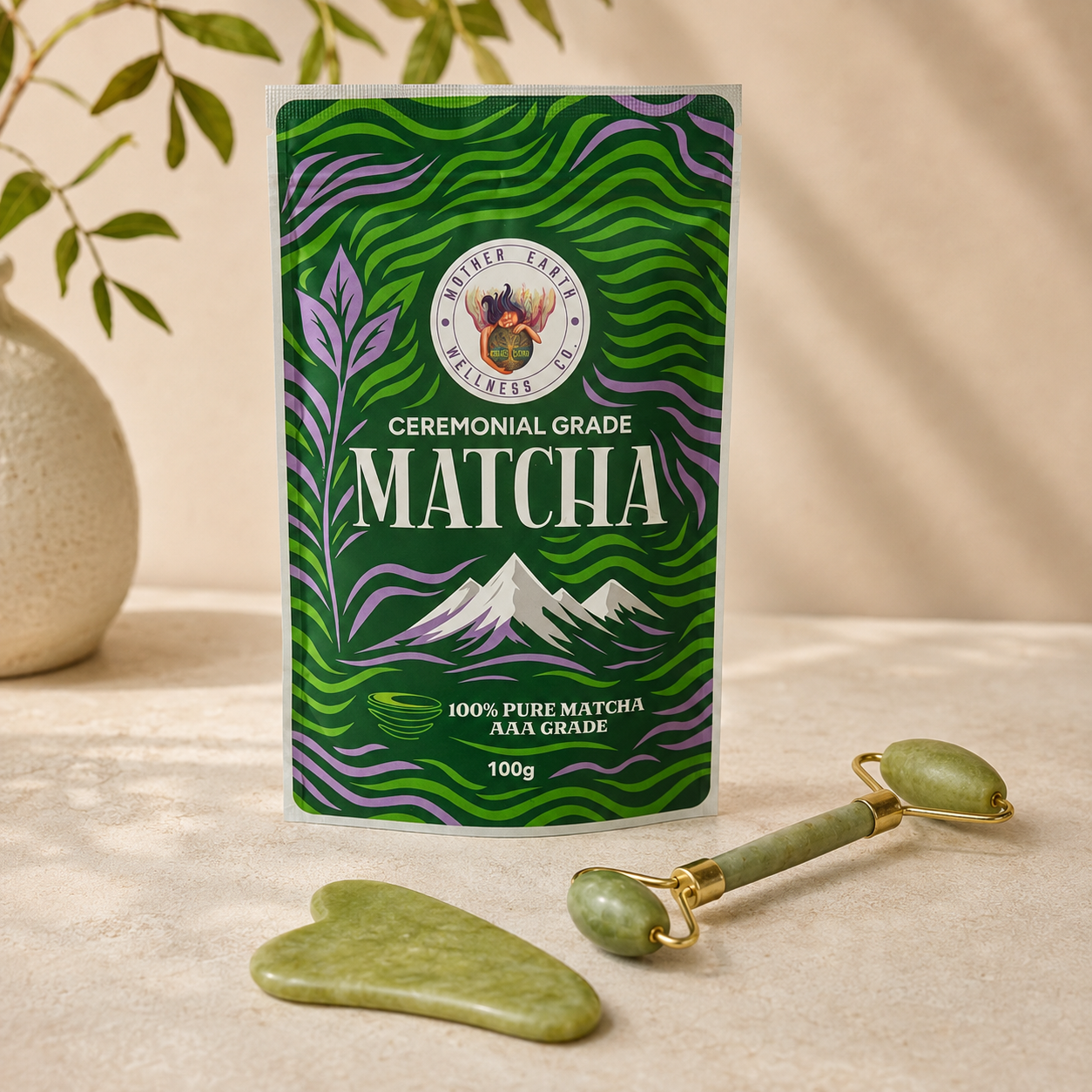
Shop Matcha, Hojicha & the colour range
If you are here to shop rather than read the full tea story first, these are the main routes.
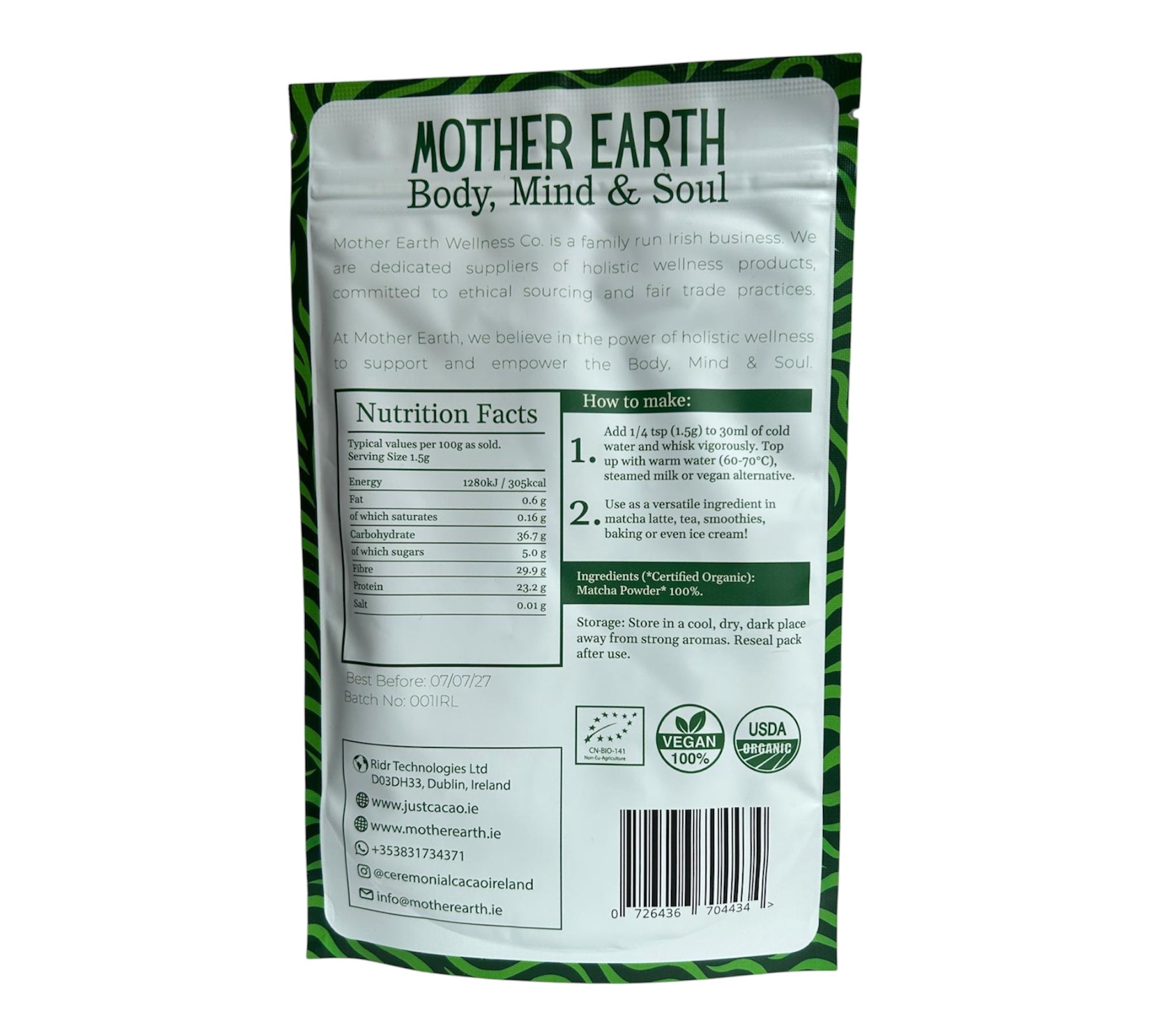
Matcha is tea. That is the starting point.
Matcha does not need a big wellness promise to make it interesting. It is finely milled green tea that is whisked into the drink rather than steeped and removed like a normal loose-leaf tea.
Our core Mother Earth Matcha comes through a three-generation family tea relationship in China: Yuan, his son Alex and little Alex. That family connection is a big part of why I want the source kept visible.
Where our Matcha comes from
Our current core Matcha is sourced through the family in Hangzhou, China. Older Mother Earth copy sometimes referred to Japan, but that is not the source of the Matcha we are selling now. I would rather be clear about the people and place actually behind the tea.
Read the full Matcha and tea-family story.
What does ceremonial grade Matcha mean?
Ceremonial grade is widely used in the Matcha world as a quality and drinking-style description. It is not one protected legal grade that guarantees the same thing from every seller.
For me, freshness, colour, aroma, taste, source and clear preparation information tell you more than one phrase on the pouch.
What is naturally in Matcha?
Matcha is tea, so it naturally contains caffeine and naturally occurring tea compounds including L-theanine. The amounts vary with the tea and serving size, and different people respond to caffeine differently.
That is why I would not promise that one cup gives everybody calm focus, endless energy or a perfect coffee replacement. Some people love Matcha in the morning because they enjoy the flavour and routine. Others simply prefer coffee or cacao.
Cacao vs Matcha: a practical comparison.
How I make it
Start with around 1–2g of Matcha. Add a small amount of hot water below boiling and whisk until smooth. Then top up with more water or warm milk if you want a latte.
If it tastes too strong or bitter, use a little less powder or cooler water next time. It should be something you actually want to drink, not something you force down because the internet says it is healthy.
Green Matcha, Blue Matcha, Pink Matcha and Hojicha are not the same thing
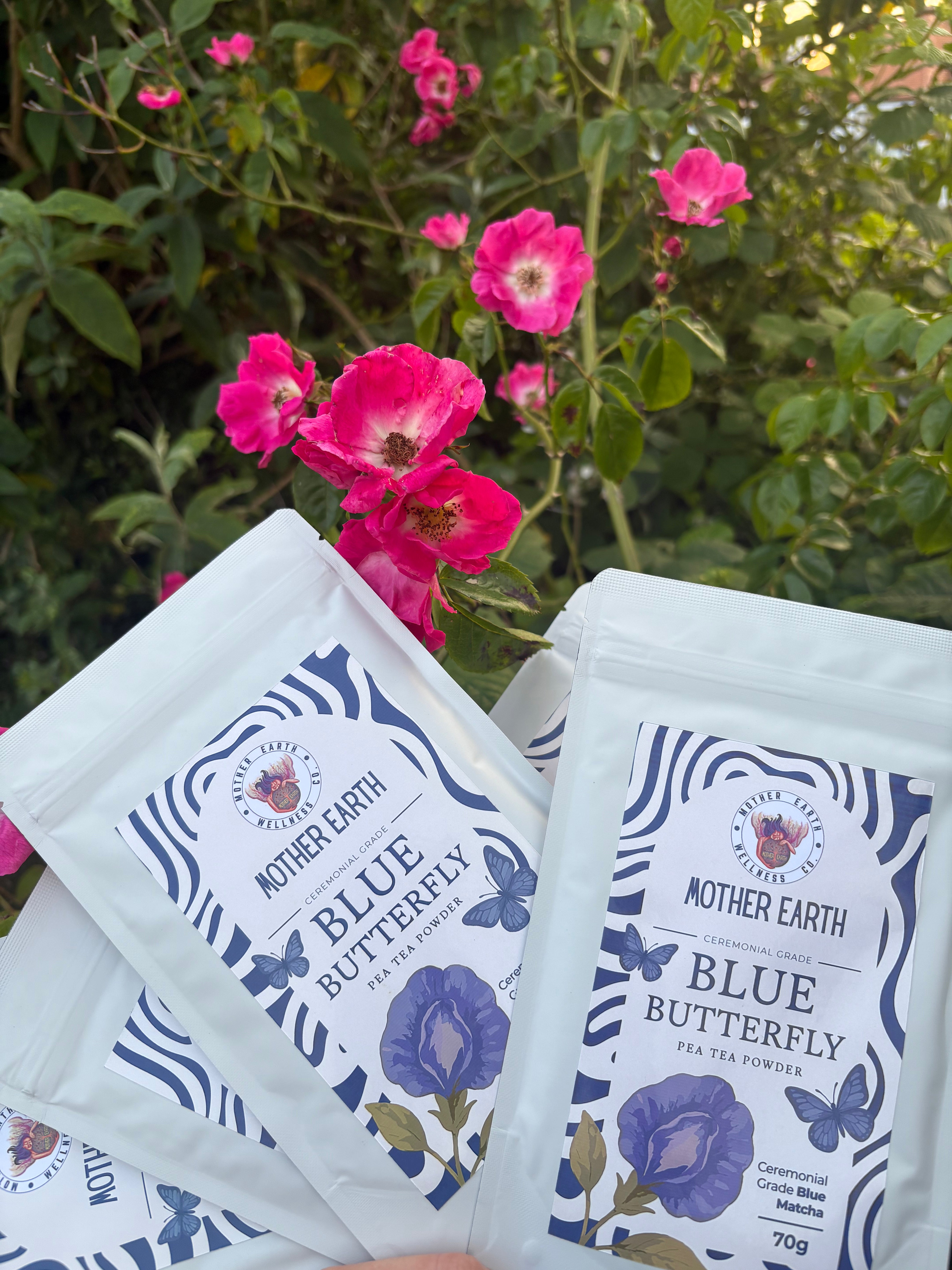
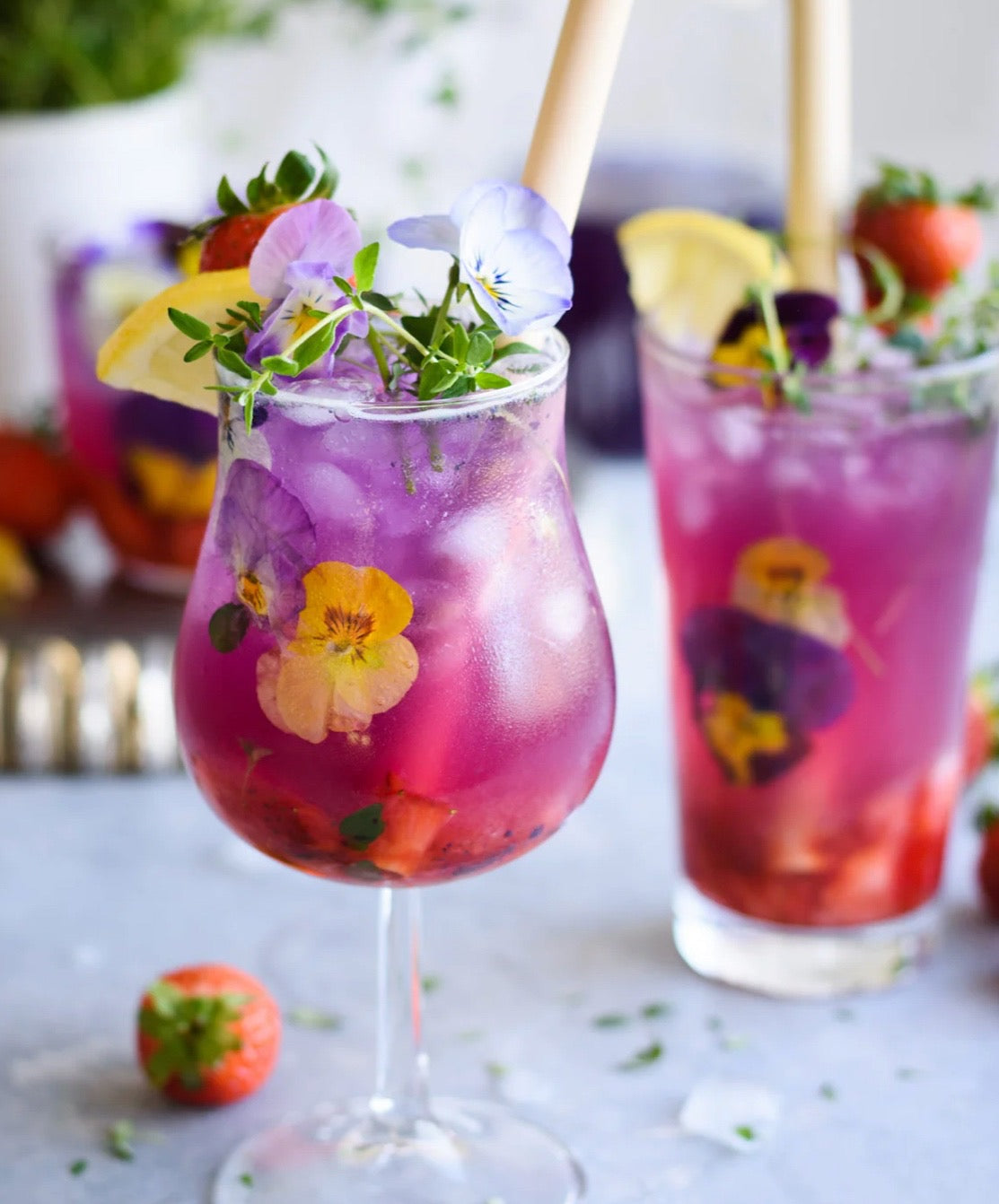
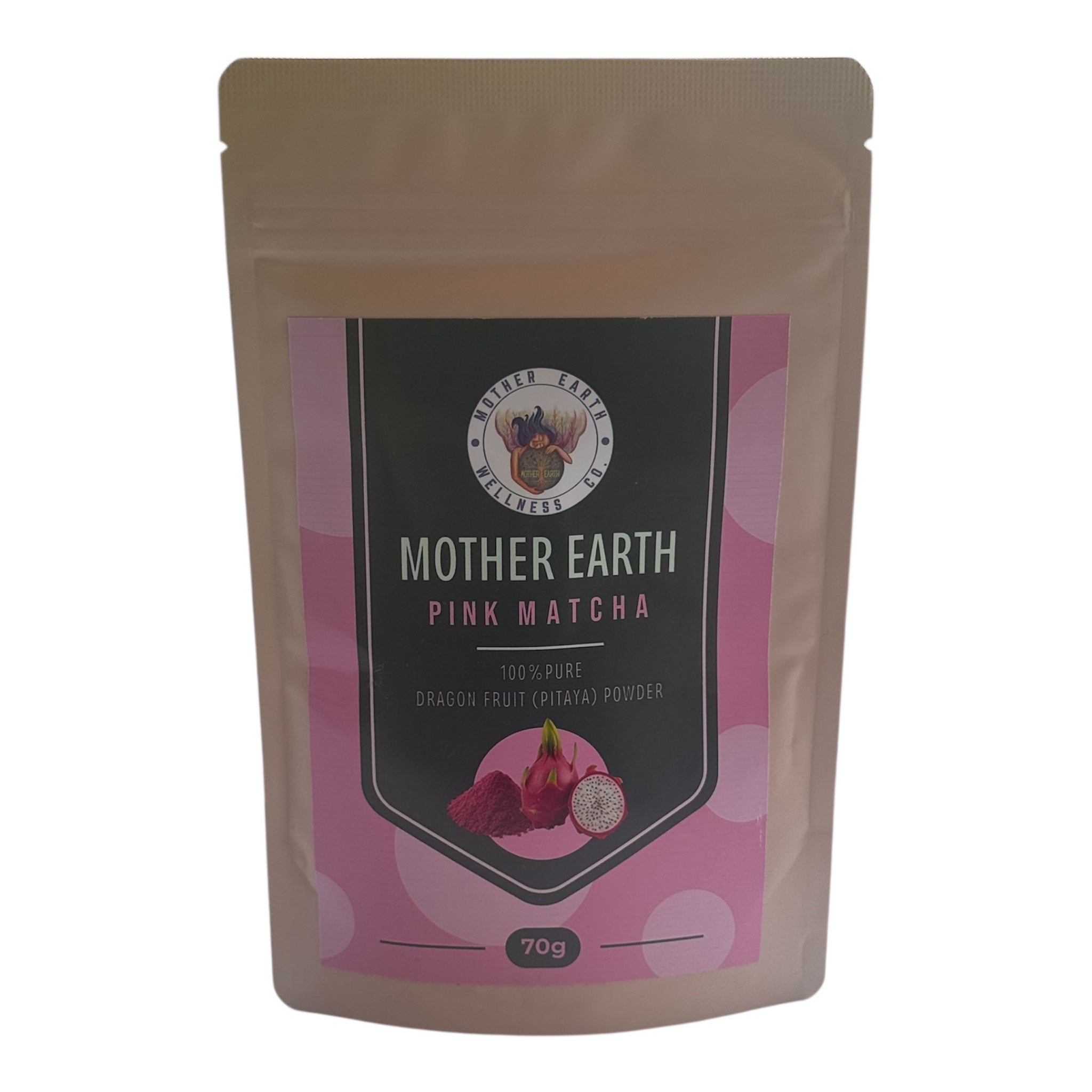
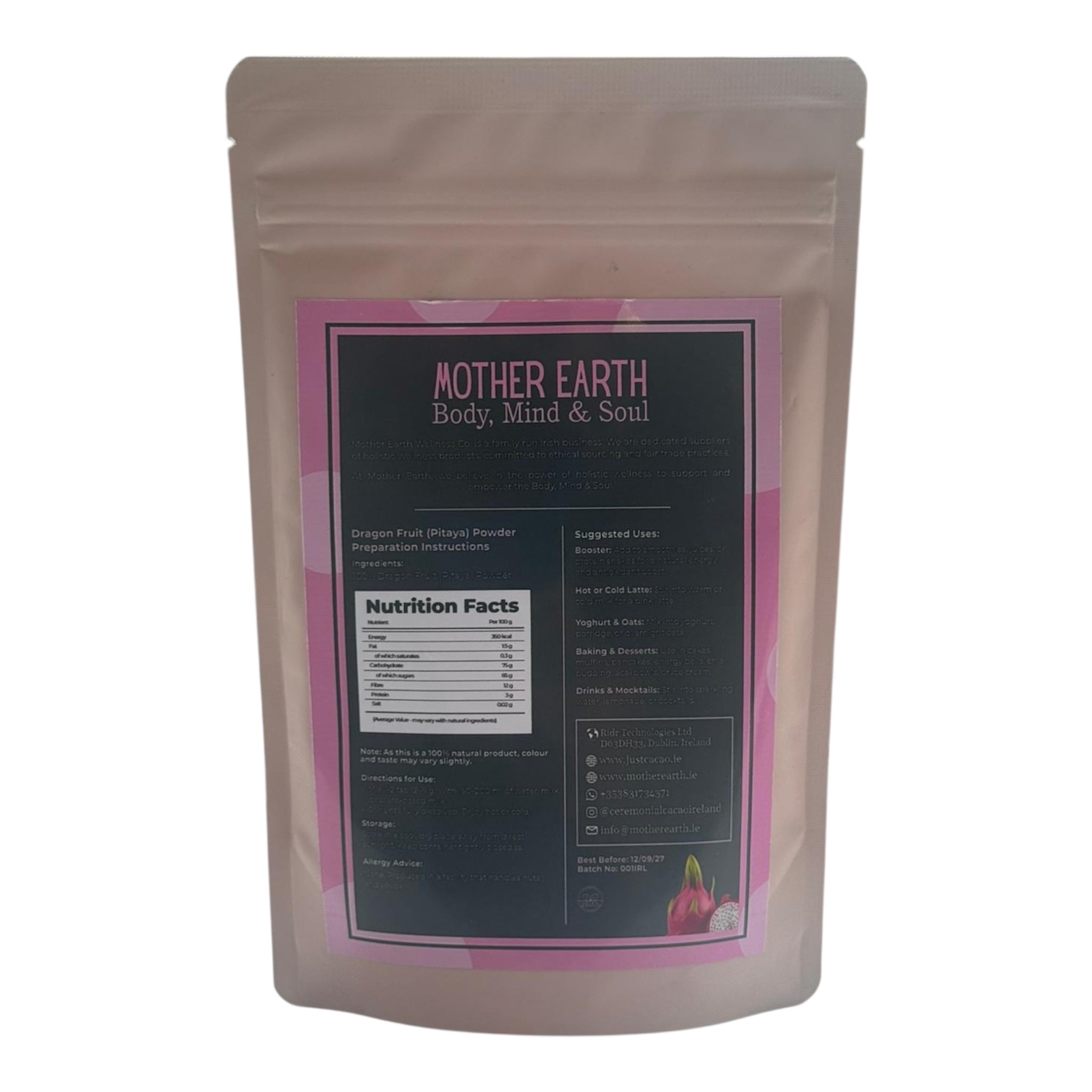
Our green Matcha is powdered green tea. Blue Matcha is made from butterfly pea and is naturally caffeine-free. Pink Matcha is made from dragon fruit and is also a colourful latte powder rather than traditional tea Matcha. Hojicha is roasted green tea with a warmer, toastier flavour.
We keep the familiar shopping names because people search for them that way, but the individual pages explain what each product actually is.
Green Tea, Matcha and Hojicha: which one suits you? · Butterfly Pea, Blue Matcha and Blue Spirulina explained
Tea with a real source behind it
The point of telling the Yuan, Alex and little Alex story is not to make a nice marketing paragraph. It is to keep the people behind the product visible as Mother Earth grows.
If you are buying for a café, health shop or studio, see the Mother Earth wholesale route.
Read our source story · Delivery information