Herbal Teas for a Café or Studio: How I'd Choose a Small Range
There are plenty of lovely teas, but that doesn't mean a café or studio needs to stock them all. If you're adding a little tea corner or a new menu option, I'd begin with the people who will be drinking it and the staff who will be making it.
We work with small businesses through our Cafés & Hospitality and Practitioners & Wellness Studios pages. The conversations tend to be quite practical: What sells? Will the team know how to prepare it? How much space will it take?
Start with a few distinct options
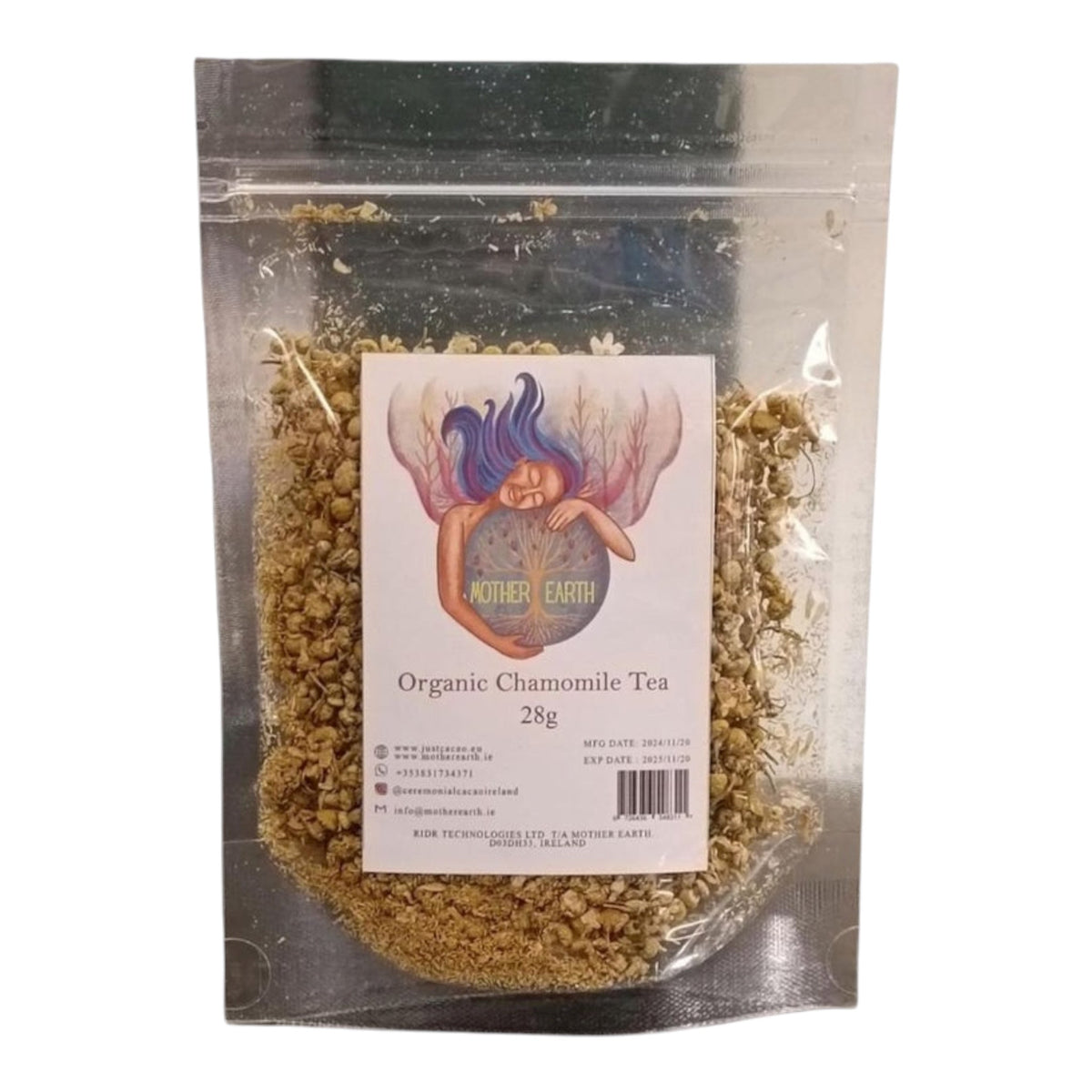
You don't need six different teas that taste almost identical. Think about offering a straightforward floral option such as rose petal tea, a familiar herbal tea and perhaps a green or roasted tea if that suits your customer base.
It might be tempting to build a huge wellness menu with elaborate descriptions. A short menu is easier for customers to read and staff to prepare consistently.
Write down the recipe
Choose your cup size and decide how much tea to use. Follow the current product directions for water temperature, steeping and any cautions. Then make sure every staff member has the same instructions. Think about what the drink costs once you account for the tea, any extras, takeaway packaging, labour, tax treatment and wastage.
If you already serve cacao, our article about bringing ceremonial cacao onto a café menu looks at the same issue from a cacao point of view.
Teas and other botanicals are different categories
This matters a lot when you're buying from a mixed wellness supplier. A dried flower doesn't automatically mean it's an ingredient for tea. Our Blue Lotus and White Lotus range is supplied as non-food botanicals for personal and ritual use, not as tea or supplements.
Products that are actually sold as teas have their own food-use guidance. If you are choosing products for a drink menu, stick with products labelled and suitable for that use. Our guide to botanicals versus herbal teas explains the distinction more fully.
Small retail shelves can work too
Some studios might prefer to sell a few sealed pouches to people who enjoy a tea after class, rather than preparing drinks. That still means thinking about clear shelf prices, suitable product information, stock rotation and the space available.
Our article about retail in salons and studios is useful for the wider business decisions. For independent shops, the health-shop starter guide takes a similar approach.
Talk to us about what your business actually needs
There's no need to place a huge order to ask a question. On our Wholesale & Trade page you'll find the current trade arrangements and contact options. Tell me the type of business, the sort of customers you have and the space you're working with.
We can see what products make sense instead of trying to squeeze an entire catalogue onto one shelf. That's usually a far better place to start.
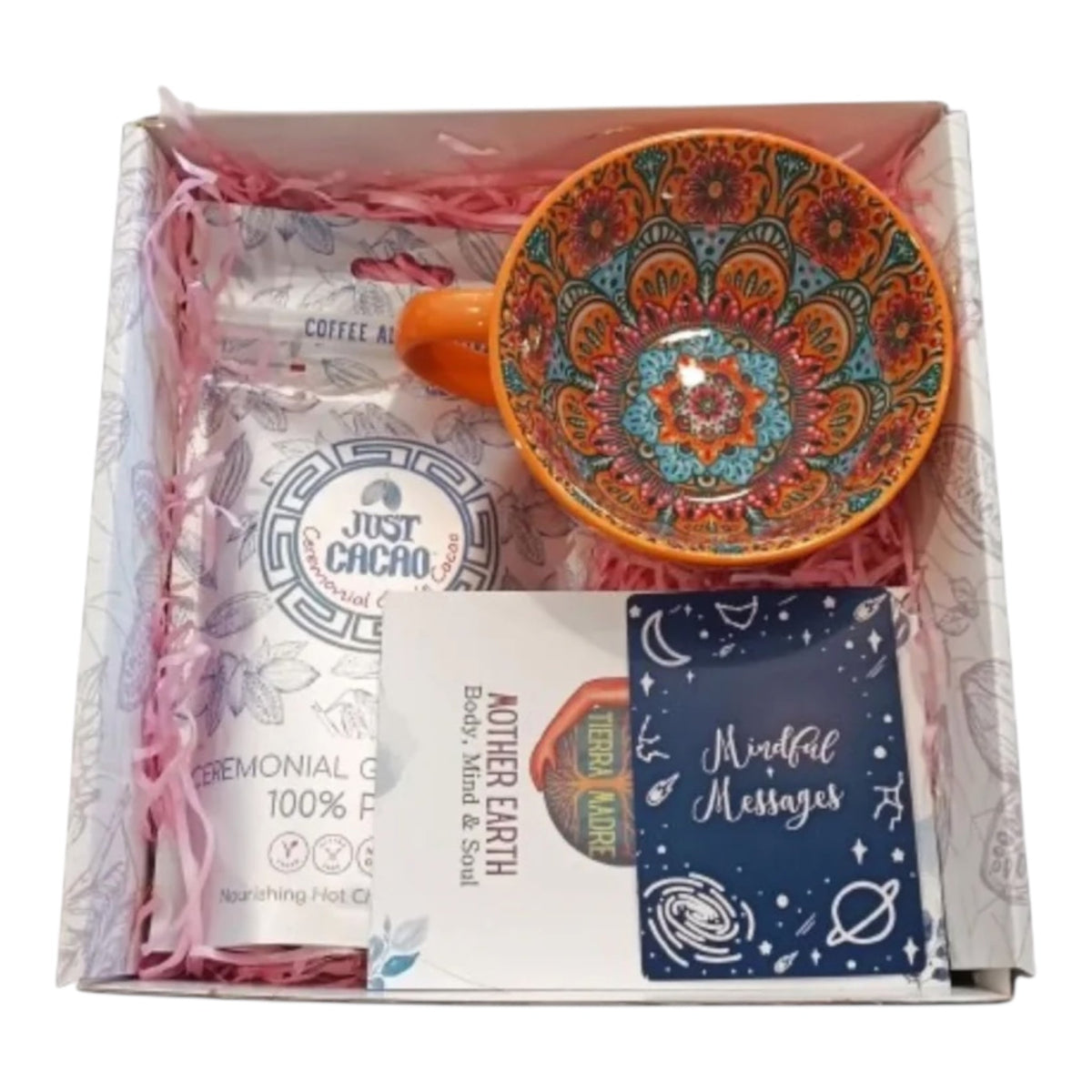
For autumn and Christmas counter ideas, have a look at how I'd keep a seasonal range manageable. The gift page also lists the current tea, mug and voucher options.